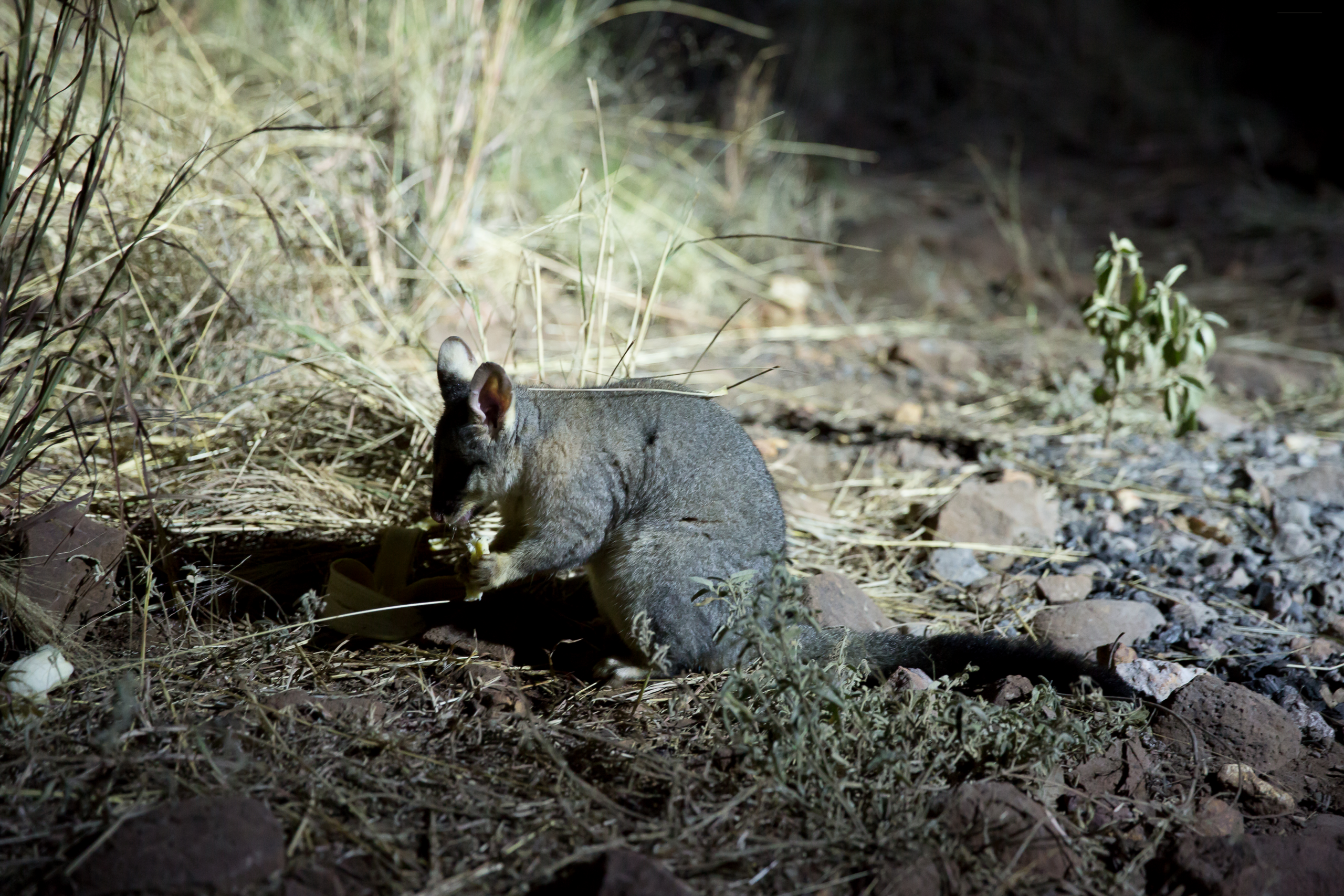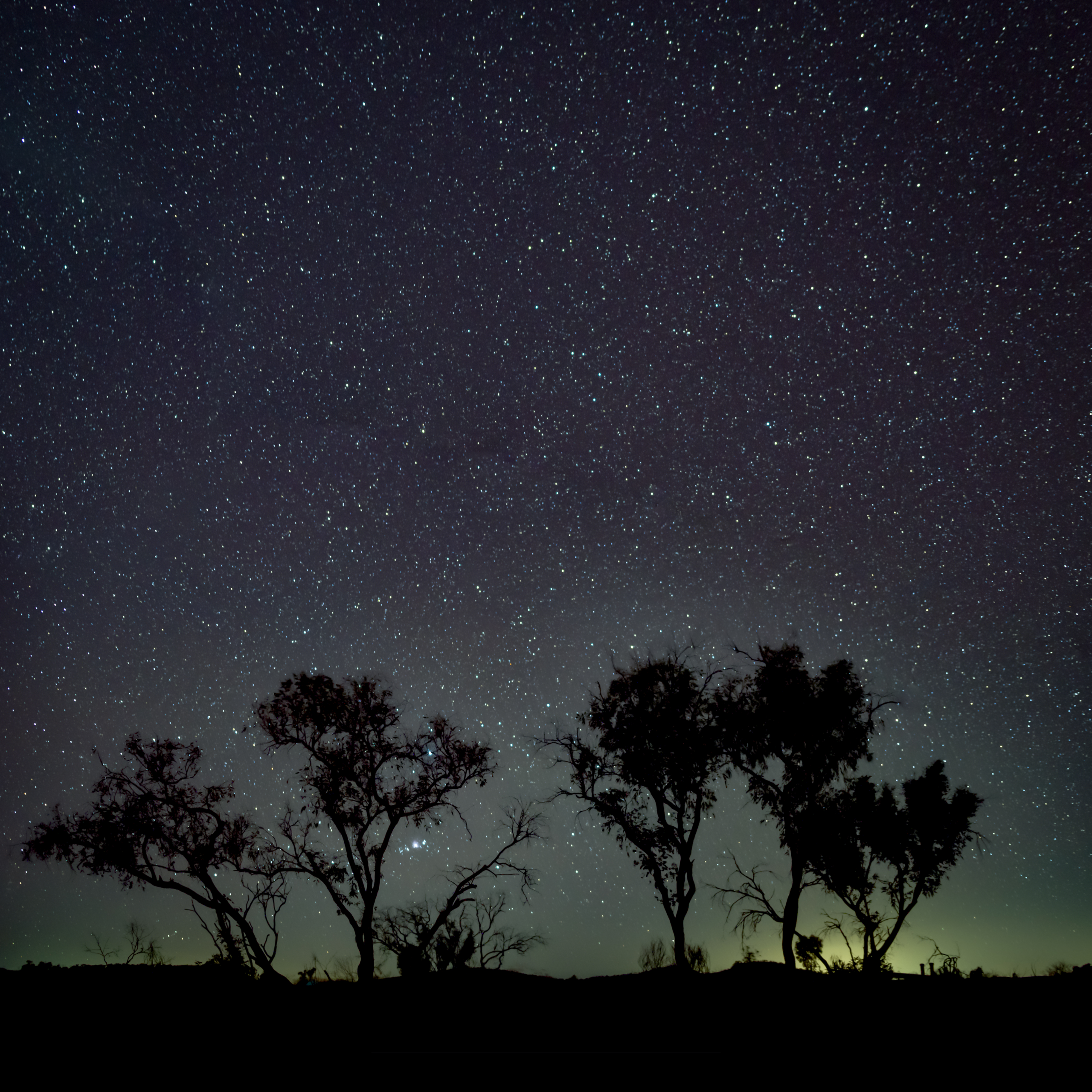
ALIA brings the hidden effects of light into focus, showing how a project touches the surrounding night. We translate measurement and modelling into practical guidance that supports compliance, ecological care, and design intent.
At Nightjar Lighting Design, we believe light should serve both people and planet. Artificial Light Impact Assessments (ALIA) quantify how artificial light affects the natural environment, helping projects meet planning and environmental requirements while maintaining safety, function and design integrity.
Humans are astonishingly adaptable. Our vision operates across an enormous range; on a clear summer day, illuminance can exceed 100,000 lux; a bright office might be around 320 lux; and a full moon offers just 0.5 lux. Our eyes recalibrate so effectively that both day and office lighting can feel “bright,” even though they sit several orders of magnitude apart. This same ability that lets us see across such extremes also makes us poor judges of brightness.
As our eyes adapt, our perception of light shifts. Because of this drift, intuition isn’t reliable. Light must be measured – yet most instruments are tuned to human vision and higher indoor or daytime levels, not the subtle conditions that define nocturnal habitats where the natural peak rarely exceeds 0.5 lux. That gap conceals the very effects we need to understand. The true extent of Light pollution often goes unnoticed until it’s measured.
This is where Nightjar comes in. We measure what the eye smooths over. Our team captures, models, and maps light at night, including its intensity, distribution, spectrum, and timing. We use calibrated imaging, photometric modelling and GIS analysis. We quantify both individual sources and cumulative effects to reveal where light is present, how far it travels and which habitats are most sensitive.
We then turn data into action. Our assessments translate findings into practical, defensible recommendations. We help teams mitigate spill and sky glow, select spectra and optics, set curfews and dimming and document outcomes for approvals. The goal is simple: lighting that supports human use while safeguarding the ecological rhythms of the night.
Every site has its own ecological and visual character. We begin by studying its location, surrounding habitats and existing light environment through calibrated all-sky imagery and on-site observational surveys. With this foundation, we model how proposed lighting will interact with the landscape using predictive modelling and photometric calculations. The result is a clear understanding of both current and future light conditions allowing final impacts to be quantified with confidence.
Our assessments follow the principles of the National Light Pollution Guidelines for Wildlife (NLPGW), AS4282 and relevant EPA/EPBC frameworks and recommendations. We model illuminance, luminance, and spectrum distribution, accounting for factors such as terrain, atmosphere, and reflectance. This allows us to identify light-sensitive zones, assess cumulative impacts, and recommend practical mitigation measures.
We collaborate closely with ecologists, planners, and design teams to ensure lighting recommendations are both scientifically sound and feasible to implement. The outcome is a clear, data-backed understanding of environmental risk and an achievable path to compliance.
Networks
Industry Partnerships & Collaboration
12+
Years Combined Experience
Award Winning
Awarded Commendation in the 2025 IESANZ Lighting Awards
100%
5 Star Customer Reviews
Our capabilities sit at the intersection of measurement, modelling, and design, helping projects see the night environment clearly before they shape it. From capturing baseline sky conditions to forecasting cumulative impacts and guiding fauna-sensitive design, we translate complex nocturnal behaviour into practical pathways for planning and environmental protection. Every service is built to support better decisions, clearer approvals, and lighting that works with the landscape rather than against it.
Comprehensive assessments that quantify how artificial light affects the night environment. We work with ecologists and environmental teams to identify sensitive receptors, establish baselines, model predicted impacts and provide clear mitigation strategies.
Understanding what’s already there is essential before predicting change. We capture existing site conditions through calibrated all-sky imagery, horizon-line photography, Sky Quality Meter readings and lux/luminance surveys to establish a verifiable baseline for analysis.
All-sky imagery reveals sky glow and horizon halos, while horizon-line composites visualise how artificial light spreads across the landscape. Using SQM readings and calibrated pixel values, we quantify light pollution and benchmark nocturnal sky quality.
We model how proposed developments will alter the night environment before detailed designs are in place. Using expected illuminance levels, surface reflectances, terrain, and atmospheric data, we predict changes in sky brightness and cumulative light distribution across a site. Where detailed lighting information is available, models are refined with verified photometric data and geometry. All outputs are validated against the National Light Pollution Guidelines for Wildlife (NLPGW), AS/NZS 4282, and relevant EPA and EPBC frameworks.
Following assessment, we develop practical management frameworks to guide design, construction, and operation. ALMPs establish control strategies, monitoring protocols, and adaptive mitigation to ensure compliance throughout the project lifecycle.
Working with ecologists and design teams, we integrate findings from ALIA studies into design development. This includes tailored luminaire selection, spectral tuning and control strategies to minimise ecological disruption.
Targeted technical reporting to support planning and environmental approvals. Deliverables address obtrusive light, spill, glare and luminance to AS/NZS 4282, National Light Pollution Guidelines for Wildlife (NLPGW) and relevant council or regulatory requirements.

Designing light that protects the night
Artificial Light Impact Assessments (ALIA) evaluate how artificial lighting affects the surrounding environment, particularly nocturnal habitats and ecological systems. These assessments identify potential light spill, glare and sky glow impacts to ensure developments meet environmental, planning and approval requirements.
ALIA studies are often required by councils or environmental regulators, including The NSW Department of Climate Change, Energy, the Environment and Water (DCCEEW) and the Environmental Protection Authority (EPA), when projects are referred under the Environment Protection and Biodiversity Conservation Act 1999 (EPBC Act). The National Light Pollution Guidelines for Wildlife (NLPGW) provide the technical framework for demonstrating that proposed lighting designs balance safety, function, and environmental protection.
Nightjar’s methodology combines calibrated field measurement with predictive and cumulative photometric modelling to provide a complete picture of light at night. We begin by capturing existing conditions through all-sky imagery, horizon-line photography, lux and luminance surveys and sky quality meter (SKM) readings. Using these verified baselines, along with photometric data and site parameters, we model how proposed lighting, both individual sources and combined systems, will distribute across terrain and into the atmosphere.
This cumulative approach allows us to quantify not only what is visible on the ground, but also how total light levels may shift across the wider landscape. Our assessments are benchmarked against AS/NZS 4282, the NLPGW, and relevant EPA and EPBC frameworks, producing clear, defensible recommendations for mitigation, planning, and design refinement.
Whether you’re preparing an environmental referral, responding to regulatory feedback, or designing for sensitive sites, Nightjar delivers the data and documentation needed to demonstrate compliance and protect the night.
We help clients see what the eye cannot – translating complex environmental data into clear, practical actions that protect both project outcomes and the night itself.
Related Services
Understanding what’s already there is where good lighting begins.
Understanding the existing light environment is the foundation of any effective lighting or impact assessment. Nightjar’s Existing Conditions Assessments document and quantify the artificial and natural light present on site. Whether the goal is environmental baseline monitoring, regulatory compliance or performance verification.
We measure light in context. For environmental and wildlife-sensitive projects, this means capturing the nocturnal light environment using calibrated all-sky and horizon-line imagery, Sky Quality Meter readings, and luminance surveys to define the true baseline of artificial light at night. For human-centric or infrastructure sites, we perform light-level audits using lux measurements to verify compliance with AS/NZS 1158, identifying underlit or overlit zones and highlighting where improvements or mitigations are needed. When light trespass or amenity impacts are a concern, we assess boundary conditions in line with AS/NZS 4282, quantifying obtrusive and spill light to ensure developments remain within acceptable limits.
Our assessments combine calibrated field measurements, georeferenced imaging, and spatial mapping to build a reliable picture of how light behaves across a site. All data is traceable, benchmarked against relevant standards and presented in clear, actionable outputs suitable for planning, certification or design refinement.
Applications
From city streets to conservation zones, Nightjar’s existing conditions assessments provide the evidence needed to understand, manage and design lighting that performs with purpose.
Related Services


Seeing the bigger picture before it’s built.
Cumulative light modelling reveals how all sources of light – existing and proposed – combine to shape the nocturnal environment. Nightjar’s predictive models quantify not just the contribution of a single development but the total skyglow, spill, and luminance shift across a landscape. This provides a true picture of change, grounded in data rather than assumption.
Every model begins with verified baselines from our Existing Conditions Assessments measured light levels, reflectances and atmospheric data that describe the current state of the night environment. From there, our process adapts to project stage and data availability.
At the pre-development stage, when detailed design information is not yet defined, we use target illuminance levels (lux per square metre), surface reflectances, and atmospheric conditions to predict how additional light will alter overall sky brightness. This early modelling helps identify potential receptor locations and areas most sensitive to change.
Once detailed design data is available, we move to photometric modelling. Using software we simulate proposed luminaires in context with the existing environment, modelling distributions, mounting geometries and spectral properties. The result is a cumulative light map that integrates all known sources, validated against DCCEEW’s National Light Pollution Guidelines for Wildlife (NLPGW), AS/NZS 4282, and relevant planning and environmental assessment frameworks.
By combining measured baselines with predictive modelling, Nightjar brings clarity to complexity, showing how new light interacts with what’s already there, and guiding designs that protect the integrity of the night.
Related Services

Lighting that balances mitigation, compliance and usability.
Artificial Light Management Plans (ALMPs) translate assessment findings into practical, implementable actions. They ensure that identified light impacts are addressed through design refinement, controls, and operational measures. At Nightjar Lighting Design, we develop ALMPs that not only meet the requirements of environmental regulators but also preserve functionality, safety and visual intent for the project.
Our process begins with the outcomes of the Artificial Light Impact Assessment, identifying key receptors, exceedances and sensitive zones. Each mitigation strategy is then tailored to context. We then refine luminaire selection, optics, mounting height, orientation, spectral characteristics, and control strategy. We integrate design and operational approaches, using dimming schedules, curfews, and adaptive controls to reduce excess light while maintaining compliance with AS/NZS 1158, 4282, and the National Light Pollution Guidelines for Wildlife (NLPGW). Where required, we prepare staged implementation and monitoring frameworks to support construction and long-term environmental management.
The goal is to create a plan that satisfies regulatory conditions and serves as a clear roadmap for designers, contractors and operators alike.
Applications
Whether required as part of a planning condition or used to guide best practice, Nightjar’s Light Management Plans turn data into actionable design – helping projects protect the night long after the lights are switched on.
Related Services

Designing light that protects life after dark.
Many species experience night very differently than we do. While humans can tolerate and even thrive under artificial light, nocturnal and crepuscular fauna rely on darkness to feed, navigate, migrate, and breed. At Nightjar, our Fauna-Sensitive Lighting Design Support bridges ecology and lighting design to minimise disruption while preserving the safety, function and aesthetics of the built environment.
Our work begins with an understanding of habitat use, species sensitivity, and the site’s lighting context. We collaborate closely with ecologists to identify key receptors whether that’s turtle nesting sites, bat flyways, or migratory bird corridors. We then adapt lighting design accordingly. Through spectral tuning, shielding, optical control, and dimming, we design lighting systems that reduce glare and spill without compromising usability or compliance. Each recommendation aligns with the National Light Pollution Guidelines for Wildlife (NLPGW) and relevant environmental frameworks while maintaining coordination with AS/NZS 1158 and 4282.
We also prepare practical design documentation and specifications, giving project teams clear, buildable solutions that integrate ecological responsibility into every stage of delivery.
Nightjar’s fauna-sensitive designs bring science and empathy together, creating lighting that supports human activity while protecting the natural rhythms of wildlife.
We measure what the eye smooths over.
At Nightjar, we combine field measurement, calibrated imagery, and photometric modelling to make the invisible visible. Our approach bridges science, design, and ecology – translating complex data into clear, actionable insight. Every assessment is grounded in verified evidence and guided by environmental care, so decisions can be made with confidence and context.
With more than a decade of experience in lighting design and environmental compliance, we understand how projects move from concept to construction. That insight allows us to align ecological sensitivity with practical feasibility, helping teams meet regulatory requirements while protecting the night sky and the ecosystems beneath it.
CLIENT FEEDBACK
“Their Revit automation saved us weeks on emergency lighting documentation. The automated spacing tables and compliance reports are game-changing for multi-storey projects."

Senior Electrical Engineer
Major Melbourne Engineering Firm
“The ALIA assessment for our coastal development was thorough, technically precise, and instrumental in securing EPBC approval. Their understanding of NLPGW guidelines is exceptional."

Development Director
Victoria Coastal Developer
"Compliance sign-off was seamless. Their AS/NZS 1680 documentation and AG132 calculations gave us complete confidence during building certification."

Development Director
Victoria Coastal Developer
“Their Revit automation saved us weeks on emergency lighting documentation. The automated spacing tables and compliance reports are game-changing for multi-storey projects."

Senior Electrical Engineer
Major Melbourne Engineering Firm
Whether you need lighting design, compliance calculations, Revit automation, or environmental lighting assessments – we deliver precision, performance, and peace of mind.