
Light Pollution Assessments
Australian light-impact specialists, we translate measurement and modelling into practical guidance that supports compliance, ecological care, and design intent.
Understanding your light Impact
Light impact is assessed for different reasons and in different ways. The light that affects wildlife is different from the light that affects your neighbours. Depending on your installation location, it can be one or the other – or even both if you happen to be near a metropolitan nature corridor or reserve.
For wildlife and habitat protection.
If your project sits near an environmentally sensitive location such as bushland, wetlands or coastal environment. You may be asked to provide reporting on how your project’s potential lighting may affect the wildlife living in proximity of your site. This usually happens during the environmental approvals process. These include EPBC referrals and the state equivalents of EES, EIS, EIA, EER and IAR depending on your state.
For people and property.
If your project is near existing homes or a road, your planning permit will usually require you to show that light from the site won’t spill onto neighbouring properties or affect drivers. It’s usually called an obtrusive light assessment, measured against the Australian standard AS/NZS 4282, and submitted as part of your permit conditions. If a dispute arises, whether that’s a neighbour complaint or a matter proceeding to VCAT, we also provide independent expert assessment and expert witness evidence.
Lighting design for wildlife
Sometimes you don’t need a report telling you there’s a problem. Sometimes this has already been identified or explicitly requested. Your project now just needs the wildlife sensitive design. Our familiarity with the reporting and requirements means that we are experts in this kind of design.
Environmental Light Impact (EPBC/ NLPGW)
For wildlife and habitat protection.
Obtrusive light Impact (AS/NZS 4282)
For people and property.
Wildlife-sensitive lighting design
lighting design for wildlife
NATIONAL SUPPORT
Whether your project is based in capital city or your project is based in regional Australia, we can help your project to succeed. Nightjar provides Artificial Light Impact Assessments in Adelaide, SA, Brisbane, QLD, Canberra, Act, Melbourne, VIC, Perth, WA, Sydney, NSW and throughout all regional areas of Australia.

Light Pollution Assessment Services
For wildlife and habitat protection
For wildlife and habitat protection
If your project sits near an environmentally sensitive location such as bushland, wetlands or coastal habitat, you may need to demonstrate how its lighting could affect the wildlife living there. Nightjar’s wildlife light impact assessments cover this end to end, from Artificial Light Impact Assessments (ALIA), baseline night sky surveys, to predictive skyglow modelling and artificial light management plans, all in-line with EPBC referral requirements and the National Light Pollution Guidelines for Wildlife (NLPGW).
Whether you’re putting together an EPBC referral, responding to regulator questions, or just want to get things right from the start on a sensitive site, we’re here to help. Nightjar provides the data and documentation you need to support approvals and keep the night protected


Managing spill, glare and obtrusive light
If your project is close to homes or a road, your planning permit will likely ask you to show that light from your site won’t spill onto neighbours or affect drivers. These types of people and property focused light impact assessments are typically based on AS/NZS 4282, the Australian standard for the control of the obtrusive effects of outdoor lighting, in combination with any road authority requirements where relevant. At Nightjar we’re familiar with utilising these across a range of purposes, not limited to simple spill light. Our Human focused light impact services can be for a range of applications, from council and permit assessments, to illuminated signage, to expert witness advice and evidence for VCAT
Lighting Design for wildlife
Sometimes you already know there are sensitive species near your site. What you need is a lighting design that accounts for these sensitivities. The phrase ‘wildlife friendly’ gets thrown around a lot, but it can be a bit misleading. There isn’t a one-size-fits-all solution for light and wildlife, since every species responds to light differently, a design that suits one may do little for another. At Nightjar, we work across both the broad strategies and the best practice approaches in the National Light Pollution Guidelines for Wildlife (NLPGW), but when a site has particular sensitivities, we take it a step further. We work closely with project ecologists to ensure the design is tailored to the species that actually matter for your site.
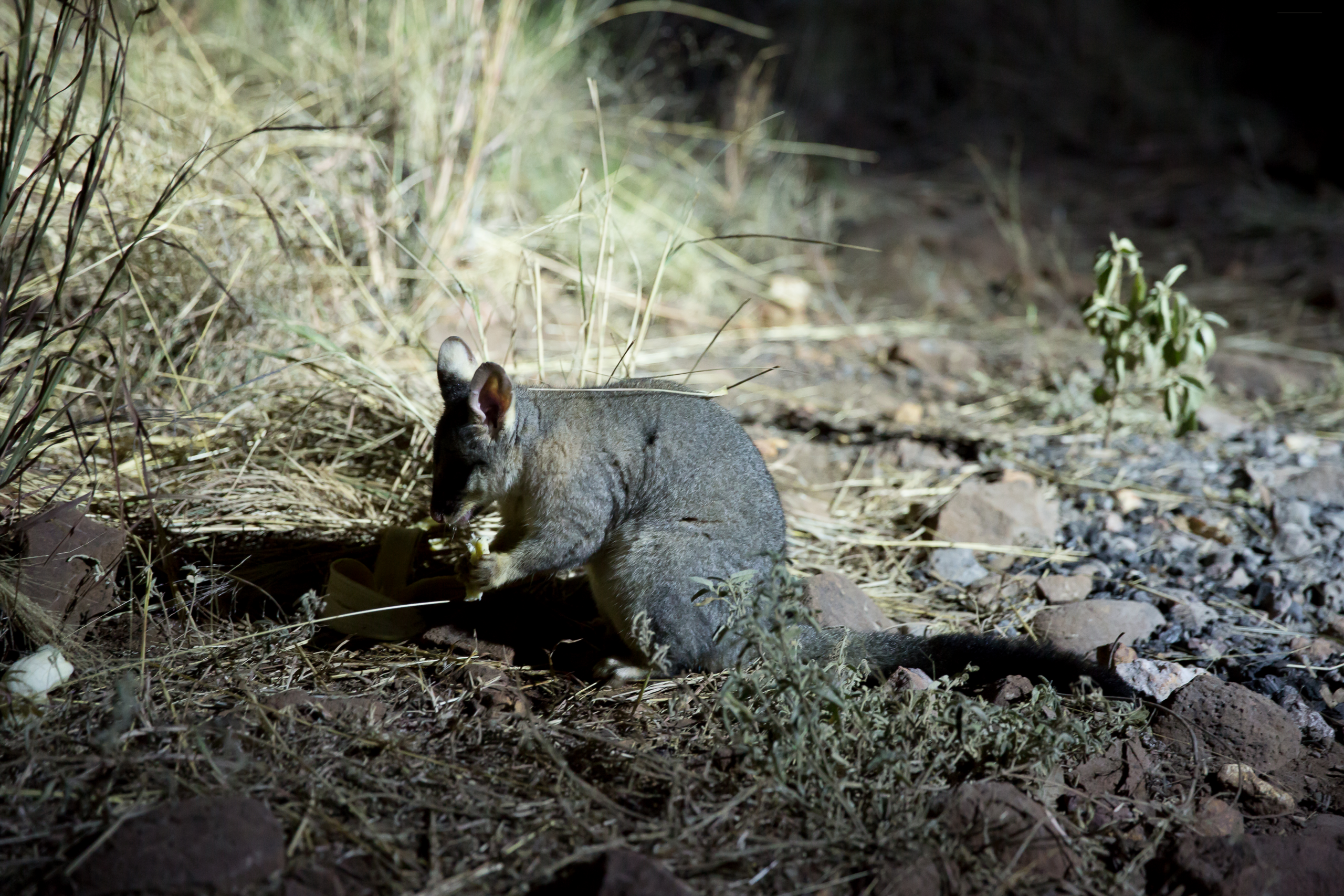
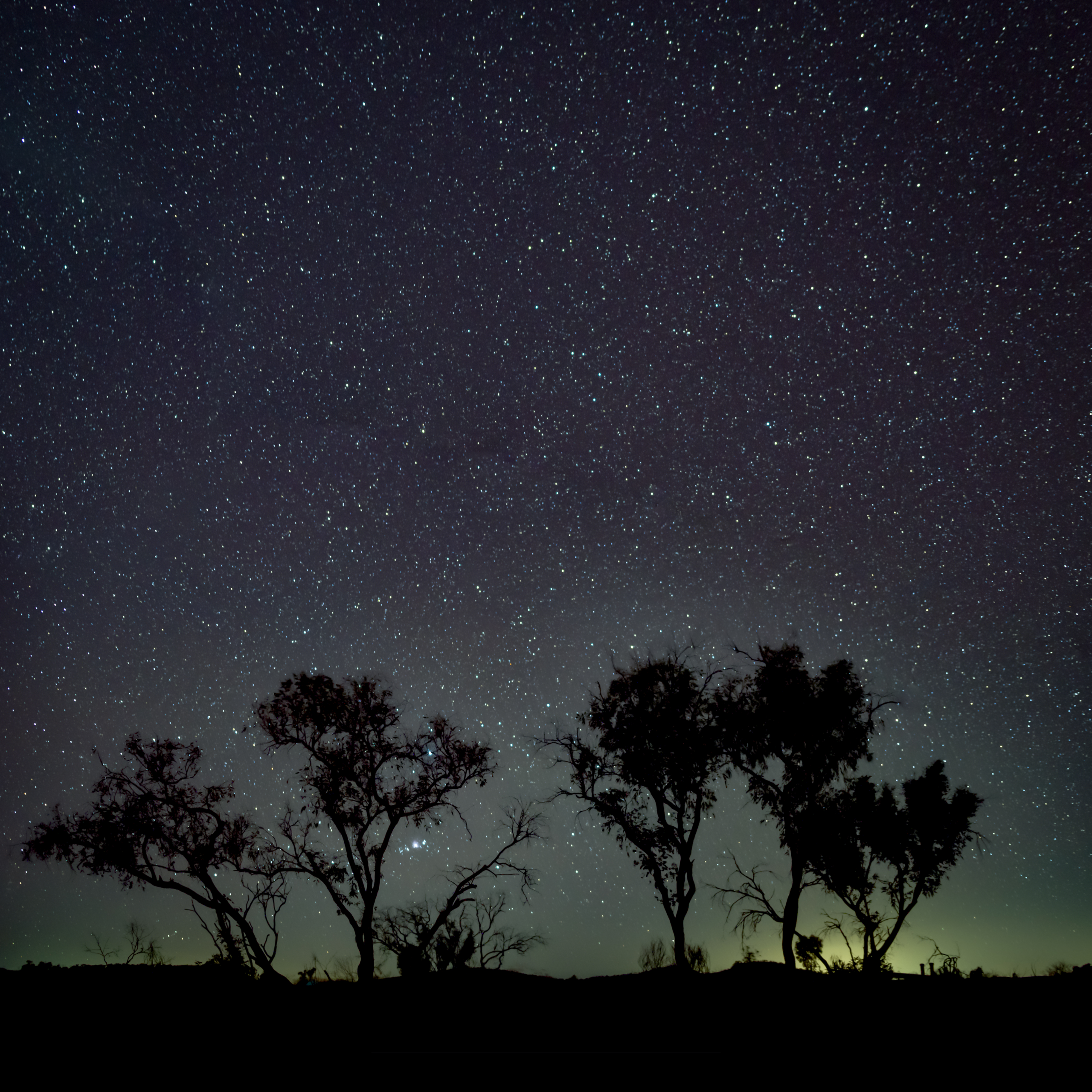
Lighting that balances mitigation, compliance and usability.
Artificial Light Management Plans (ALMPs) translate assessment findings into practical, implementable actions. They ensure that identified light impacts are addressed through design refinement, controls, and operational measures. At Nightjar Lighting Design, we develop ALMPs that not only meet the requirements of environmental regulators but also preserve functionality, safety and visual intent for the project.
The goal is to create a plan that satisfies regulatory conditions and serves as a clear roadmap for designers, contractors and operators alike.
Designing light that protects life after dark.
Many species experience night very differently than we do. While humans can tolerate and even thrive under artificial light, nocturnal and crepuscular fauna rely on darkness to feed, navigate, migrate, and breed. At Nightjar, our Fauna-Sensitive Lighting Design Support bridges ecology and lighting design to minimise disruption while preserving the safety, function and aesthetics of the built environment.
We also prepare practical design documentation and specifications, giving project teams clear, buildable solutions that integrate ecological responsibility into every stage of delivery.

We measure what the eye smooths over.
Why Nightjar Lighting Design?
At Nightjar, we combine field measurement, calibrated imagery, and photometric modelling to make the invisible visible. Our approach bridges science, design, and ecology – translating complex data into clear, actionable insight. Every assessment is grounded in verified evidence and guided by environmental care, so decisions can be made with confidence and context.
With more than a decade of experience in lighting design and environmental compliance, we understand how projects move from concept to construction. That insight allows us to align ecological sensitivity with practical feasibility, helping teams meet regulatory requirements while protecting the night sky and the ecosystems beneath it.
Let's Light Your Next Project
Whether you need lighting design, compliance calculations, Revit automation, or environmental lighting assessments – we deliver precision, performance, and peace of mind.
