
Light travels further than you think. Even with good intentions, it can spill past where you meant it to stop. We help you see where it’s actually landing, and what to do about it.
Light impact is assessed for different reasons and in different ways. The light that affects wildlife is different from the light that affects your neighbours. Depending on your installation location, it can be one or the other – or even both if you happen to be near a metropolitan nature corridor or reserve.
For wildlife and habitat protection.
If your project sits near an environmentally sensitive location such as bushland, wetlands or coastal environment. You may be asked to provide reporting on how your project’s potential lighting may affect the wildlife living in proximity of your site. This usually happens during the environmental approvals process. These include EPBC referrals and the state equivalents of EES, EIS, EIA, EER and IAR depending on your state.
For people and property.
If your project is near existing homes or a road, your planning permit will usually require you to show that light from the site won’t spill onto neighbouring properties or affect drivers. It’s usually called an obtrusive light assessment, measured against the Australian standard AS/NZS 4282, and submitted as part of your permit conditions. If a dispute arises, whether that’s a neighbour complaint or a matter proceeding to VCAT, we also provide independent expert assessment and expert witness evidence.
Lighting design for wildlife.
Sometimes you don’t need a report telling you there’s a problem. Sometimes this has already been identified or explicitly requested. Your project now just needs the wildlife sensitive design. Our familiarity with the reporting and requirements means that we are experts in this kind of design.
Environmental Light Impact (EPBC/ NLPGW)
For wildlife and habitat protection.
Obtrusive light Impact (AS/NZS 4282)
For people and property.
Wildlife-sensitive lighting design
lighting design for wildlife
NATIONAL SUPPORT
Weather your project is based in capital city or your project is based in regional Australia, we can help your project to succeed. Nightjar provide Artificial Light Impact Assessments in Adelaide, SA, Brisbane, QLD, Canberra, Act, Melbourne, VIC, Perth, WA, Sydney, NSW and throughout all regional areas of Australia.

For wildlife and habitat protection
Whether you’re preparing an environmental referral, responding to regulatory feedback, or designing for sensitive sites, Nightjar delivers the data and documentation needed to demonstrate compliance and protect the night.
Artificial Light Impact Assessments (ALIA) evaluate how artificial lighting affects the surrounding environment, particularly nocturnal habitats and ecological systems. These assessments identify potential light spill, glare and sky glow impacts to ensure developments meet environmental, planning and approval requirements.
ALIA studies are often required by councils or environmental regulators, including The NSW Department of Climate Change, Energy, the Environment and Water (DCCEEW) and the Environmental Protection Authority (EPA), when projects are referred under the Environment Protection and Biodiversity Conservation Act 1999 (EPBC Act). The National Light Pollution Guidelines for Wildlife (NLPGW) provide the technical framework for demonstrating that proposed lighting designs balance safety, function, and environmental protection.
Nightjar’s methodology combines calibrated field measurement with predictive and cumulative photometric modelling to provide a complete picture of light at night. We begin by capturing existing conditions through all-sky imagery, horizon-line photography, lux and luminance surveys and sky quality meter (SKM) readings. Using these verified baselines, along with photometric data and site parameters, we model how proposed lighting, both individual sources and combined systems, will distribute across terrain and into the atmosphere.
This cumulative approach allows us to quantify not only what is visible on the ground, but also how total light levels may shift across the wider landscape. Our assessments are benchmarked against AS/NZS 4282, the NLPGW, and relevant EPA and EPBC frameworks, producing clear, defensible recommendations for mitigation, planning, and design refinement.
We help clients see what the eye cannot – translating complex environmental data into clear, practical actions that protect both project outcomes and the night itself.

Understanding the Existing Light Environment
We assess existing nighttime light conditions to establish a reliable baseline for your project. Our surveys and analysis support informed design decisions, environmental approvals, and compliance.


Understanding Combined Light Impacts
We model the combined impact of existing and proposed light sources to predict future lighting conditions. This helps identify potential cumulative effects early, supporting compliant, informed project decisions.
Proactive Light Management Strategies
We develop practical light management plans that reduce light spill, glare and environmental impacts, supporting compliance and responsible long-term lighting outcomes.
Protecting Wildlife
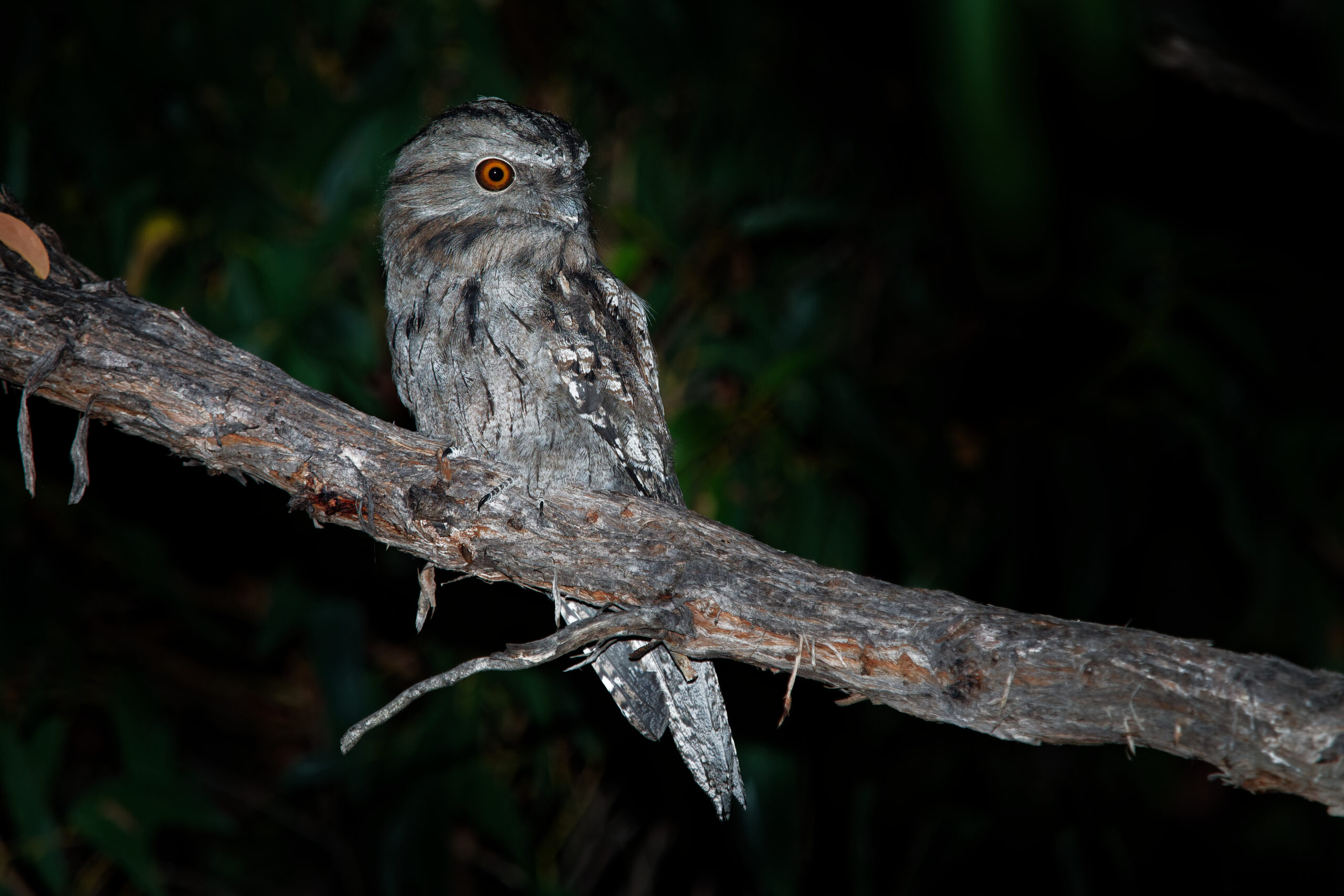
We design lighting solutions that minimise impacts on wildlife while meeting project requirements, helping protect sensitive habitats and support environmental compliance.
We measure what the eye smooths over.
At Nightjar, we combine field measurement, calibrated imagery, and photometric modelling to make the invisible visible. Our approach bridges science, design, and ecology – translating complex data into clear, actionable insight. Every assessment is grounded in verified evidence and guided by environmental care, so decisions can be made with confidence and context.
With more than a decade of experience in lighting design and environmental compliance, we understand how projects move from concept to construction. That insight allows us to align ecological sensitivity with practical feasibility, helping teams meet regulatory requirements while protecting the night sky and the ecosystems beneath it.
Whether you need lighting design, compliance calculations, Revit automation, or environmental lighting assessments – we deliver precision, performance, and peace of mind.
